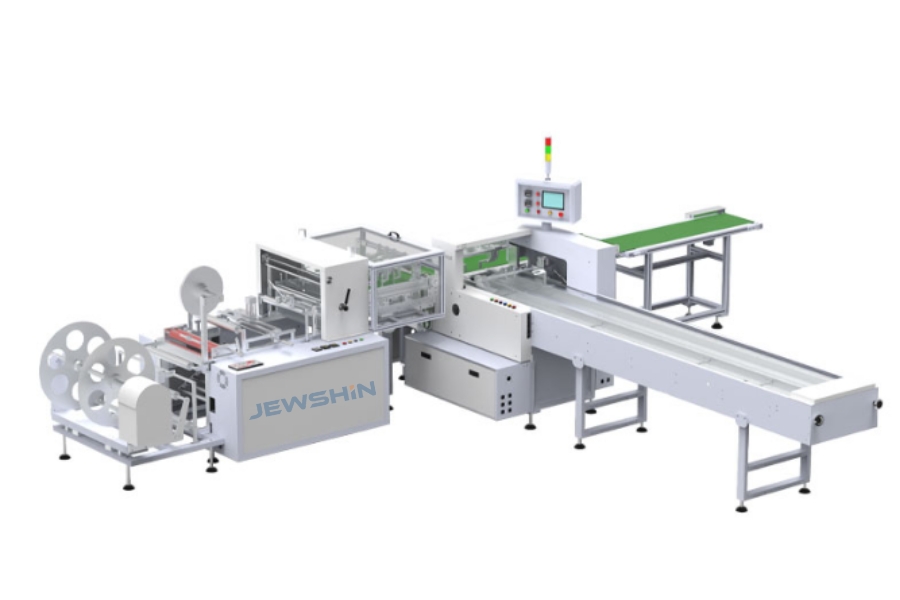
Partnering directly with an expert packaging machinery manufacturer in Taiwan helps companies improve equipment reliability, customization speed, and production efficiency. Many international manufacturers report 10–30% improvements in packaging line efficiency after replacing outdated systems with customized automation equipment. Since Taiwan’s machinery industry developed strong export capabilities after the 1980s, direct cooperation provides access to experienced engineers, shorter communication cycles, and machines designed for specific products.
packaging machinery manufacturer partnerships allow companies to work directly with technical teams instead of relying on multiple distribution layers. This structure reduces delays in machine modification, spare parts communication, and production adjustments.
A factory purchasing packaging equipment usually considers more than the initial machine price. Production speed, maintenance frequency, material usage, energy consumption, and service response time influence the total operating cost over several years.
A packaging machine running at 90% efficiency instead of 75% can produce significantly more finished products within the same working hours, especially in factories operating 16–24 hours per day.
Direct cooperation with manufacturers allows buyers to discuss production requirements before machine construction begins. Engineers can evaluate product size, packaging material, sealing method, filling accuracy, and required output capacity.
| Evaluation Item | Direct Manufacturer Cooperation | Traditional Purchasing Channel |
|---|---|---|
| Machine customization | High flexibility | Limited options |
| Technical communication | Direct engineer contact | Multiple communication layers |
| Modification speed | Faster response | Longer approval process |
| Spare parts support | Direct supply | Additional coordination |
| Production optimization | Continuous improvement | Usually fixed after delivery |
Taiwan’s machinery sector has accumulated decades of manufacturing experience. Since 1980, many companies have developed precision machining capabilities, automation systems, and export service networks. Modern packaging equipment often integrates PLC control systems, servo motors, touchscreen interfaces, and automated inspection functions.
These technologies support industries with different packaging requirements. Food manufacturers may require high-speed filling and sealing systems, pharmaceutical companies may need accurate dosing and strict hygiene standards, while cosmetic producers often require flexible machines for different container sizes.
Customization is one reason many global buyers choose direct suppliers. Standard machines may not match every production environment because product characteristics vary between industries.
For example, a snack producer handling 500–1000 packages per minute may need a different sealing structure compared with a cosmetics company producing 20–50 premium products per minute. Machine design must consider speed, accuracy, product protection, and future production changes.
Engineers who understand the final production process can adjust machine structures before manufacturing begins, reducing later modification requirements.
Cost control also depends on machine performance during long-term operation. A packaging system operating for 10 years may spend more on maintenance and downtime than on the original purchase price.
A machine that reduces packaging material waste by 3–5% and improves uptime by 10% can create measurable savings for large-scale production facilities. These improvements are especially important for companies producing thousands or millions of units annually.
Direct purchasing from an experienced manufacturer also improves after-sales communication. When equipment problems occur, engineers familiar with the original design can provide technical suggestions faster than general distributors.
Remote diagnosis, video inspection, software updates, and replacement part guidance have become common service methods. Many international equipment suppliers provide support across different time zones to reduce production interruptions.
Quality control is another area where direct manufacturer relationships provide advantages. Professional machinery companies usually perform multiple inspections before shipment, including component checks, mechanical testing, electrical verification, and complete production trials.
A typical factory acceptance process may include testing hundreds of operating cycles before delivery. Some suppliers conduct performance checks based on customer packaging materials to confirm that the machine meets production requirements.
| Quality Check Stage | Inspection Purpose |
|---|---|
| Component inspection | Verify parts and materials |
| Assembly testing | Confirm mechanical accuracy |
| Electrical testing | Check control system performance |
| Trial production | Confirm packaging results |
Modern packaging factories are also adopting smart manufacturing technologies. Since 2015, automation development has accelerated with the introduction of industrial data monitoring, remote control systems, and production tracking platforms.
These functions allow operators to monitor output speed, machine status, error records, and maintenance schedules. Some automated systems can reduce manual inspection requirements by integrating sensors and digital control systems.
Energy efficiency has become another factor in equipment selection. New-generation packaging machines often use servo-driven systems instead of traditional mechanical control methods, helping reduce unnecessary energy consumption during operation.
For international companies, choosing a manufacturer with export experience can simplify communication about technical documents, installation procedures, and compliance requirements. Equipment shipped to Europe, North America, and other regions may need to meet different safety standards and production expectations.
Experienced suppliers usually understand requirements related to electrical systems, machine documentation, packaging regulations, and installation support. This reduces preparation time when introducing new equipment into existing factories.
Direct cooperation is also useful when companies plan future expansion. Production demand can change after market growth, new product launches, or packaging format updates.
A supplier familiar with the original machine design can provide upgrade options such as additional filling units, faster sealing systems, automatic feeding devices, or software improvements. This approach allows factories to expand capacity without replacing the entire production line.
A reliable machinery partnership continues after delivery through technical support, maintenance assistance, and future equipment upgrades.
Selecting a packaging equipment supplier requires evaluating engineering ability, manufacturing experience, service quality, and understanding of the customer’s industry. A direct relationship with an experienced manufacturer gives companies better access to technical resources and customized solutions.
For businesses seeking stable production, flexible automation, and long-term equipment support, working with a specialized packaging machinery manufacturer provides a practical approach to improving packaging operations across different industries.