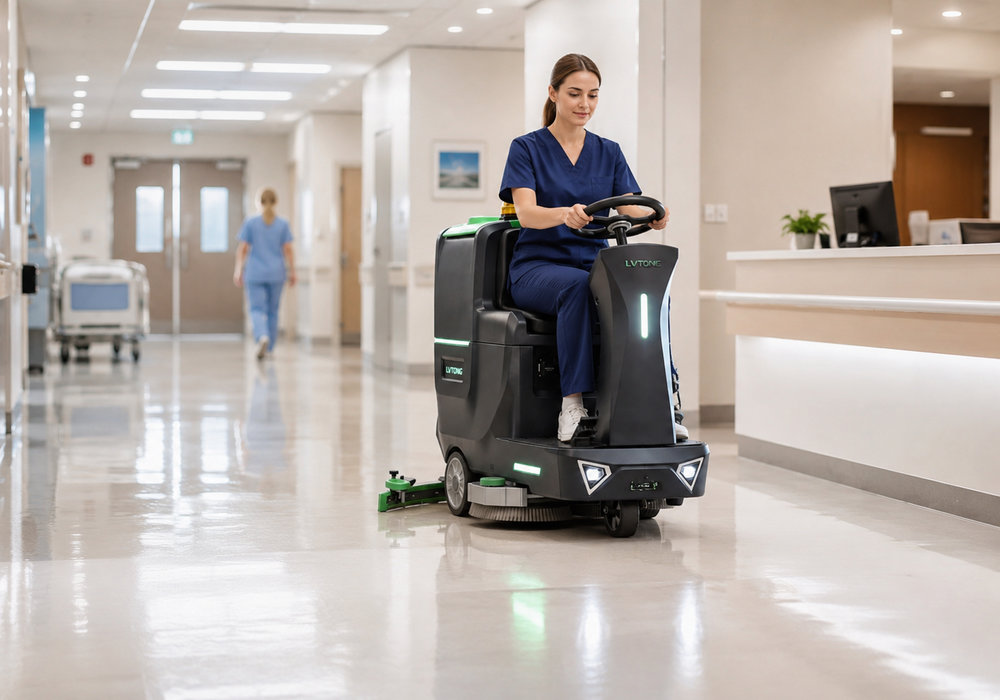
Ride-on sweepers require planned maintenance to reduce unexpected downtime, maintain cleaning performance, and control operating costs. Regular inspections of batteries, brushes, filters, motors, and drive systems can reduce equipment failures by 30%–50%. For machines running 5–8 hours per day in warehouses, airports, and industrial facilities, scheduled servicing every 100–250 operating hours helps maintain stable performance and extend equipment life.
Ride-on sweeper reliability depends on how well each system is maintained. These machines combine electrical power systems, mechanical parts, dust collection units, and cleaning assemblies that experience continuous wear during daily operation. A missed inspection on a small component can affect cleaning efficiency, energy use, and machine availability.
Battery condition is one of the first areas maintenance teams should check, especially for electric ride-on sweepers. Lead-acid batteries typically provide 500–800 charging cycles, while many lithium-ion systems can exceed 1,500 cycles when properly maintained. Incorrect charging habits, deep discharge, and high operating temperatures can reduce available capacity by 20%–40%.
Battery inspections should include voltage checks, terminal cleaning, charging records, and temperature monitoring. A battery operating at reduced capacity may shorten working time from 6 hours to less than 4 hours, creating additional charging interruptions during daily cleaning schedules.
Battery care connects closely with machine productivity because reduced power affects other systems, including brushes and motors. Once power output becomes unstable, cleaning performance may decrease, requiring more passes over the same area and increasing operating time.
Brush maintenance directly affects how efficiently a ride-on sweeper removes dust and debris. Main brushes and side brushes gradually lose bristle length through contact with concrete, asphalt, and industrial flooring. Many manufacturers recommend inspection intervals between 50 and 100 operating hours depending on surface conditions.
| Component | Recommended Inspection Frequency | Common Maintenance Task |
|---|---|---|
| Main brush | Every 50–100 hours | Check wear and adjust pressure |
| Side brush | Weekly | Inspect angle and bristle condition |
| Filter system | Daily to weekly | Clean dust accumulation |
| Battery system | Daily | Check charge level and connections |
| Drive system | Monthly | Inspect belts, motors, and wheels |
Brush wear is connected with cleaning quality because worn brushes cannot maintain proper contact with the floor surface. In facilities operating more than 1,000 hours per year, replacing worn brushes before performance declines can reduce unnecessary machine operation time.
Dust collection performance also depends on regular filter maintenance. Ride-on sweepers used in warehouses, manufacturing areas, and parking facilities often collect fine particles that gradually block airflow. A restricted filter can increase fan workload and reduce suction efficiency.
A filter inspection schedule based on operating environment is more effective than using the same interval for every machine. A warehouse with heavy dust exposure may require weekly cleaning, while an office parking area may require less frequent service.
Proper filtration maintenance supports cleaner working areas and reduces stress on motors. Studies from industrial equipment management programs have shown that preventive maintenance plans introduced between 2018 and 2023 reduced unexpected equipment stoppages by approximately 25%–35% in many commercial operations.
Mechanical inspection is another important part of ride-on sweeper care. Drive motors, wheels, steering assemblies, bearings, and connection points experience repeated vibration during operation. Small changes such as unusual noise, slower movement, or steering resistance often appear before larger mechanical problems occur.
A complete maintenance checklist should include:
-
Checking tire condition and air pressure every 50–100 operating hours.
-
Inspecting belts and mechanical connections monthly.
-
Cleaning debris around moving parts after each shift.
-
Lubricating approved components according to manufacturer instructions.
Mechanical maintenance works together with operator habits. Incorrect driving speed, sharp turns, and operation on unsuitable surfaces can increase wear on tires, motors, and suspension components. Operator training programs introduced in industrial facilities after 2020 have helped many companies reduce avoidable service requests by improving daily machine handling.
Cleaning equipment maintenance also requires attention to safety systems. Warning lights, emergency stop switches, alarms, and operator controls should be checked regularly. A machine that performs cleaning tasks but has damaged safety functions may not meet workplace requirements.
Many companies now use digital maintenance records to organize service schedules. Recording operating hours, replacement dates, and repair history helps maintenance teams identify repeated issues and prepare replacement parts earlier. A 2022 industrial maintenance survey reported that organizations using digital service records achieved around 15%–30% improvement in maintenance planning efficiency compared with paper-based records.
Maintenance records should include machine model, operating hours, replaced parts, inspection results, and next service date. Clear records allow different technicians to understand previous service history without relying on personal memory.
Spare parts planning also affects downtime prevention. Brushes, filters, belts, batteries, and seals are common replacement items for ride-on sweepers. Keeping frequently used parts available can reduce repair waiting periods from several days to only a few hours.
Maintenance teams often combine scheduled service with condition checks. This approach is similar to professional floor sweeper maintenance programs, where equipment condition is reviewed regularly instead of waiting until a failure occurs. Service intervals can be adjusted according to working hours, surface type, dust level, and environmental conditions.
Operating conditions strongly influence maintenance requirements. Outdoor sweepers face moisture, temperature changes, and uneven surfaces, while indoor industrial sweepers may collect metal dust, powder, or production waste. For example, equipment used in cold storage areas below 5°C may experience reduced battery output compared with operation at normal indoor temperatures.
A maintenance plan should therefore consider:
| Operating Environment | Maintenance Focus |
|---|---|
| Warehouse | Filter cleaning and brush inspection |
| Airport area | Tire, motor, and safety checks |
| Manufacturing plant | Dust control and mechanical inspection |
| Parking facility | Battery and debris removal |
Modern ride-on sweepers increasingly include sensors that record battery status, operating hours, and fault information. These systems allow technicians to schedule service before performance drops significantly. Between 2019 and 2024, equipment manufacturers expanded the use of monitoring systems to improve maintenance planning for commercial cleaning machines.
Operator training remains an important part of long-term equipment care. A trained operator can identify abnormal sounds, warning signals, and performance changes earlier than someone unfamiliar with the machine. Training should cover startup procedures, correct brush adjustment, charging methods, and end-of-shift cleaning.
A daily five-minute inspection can prevent many service problems. Checking fluid levels, battery status, brush condition, and visible damage before operation helps maintain consistent machine performance.
A ride-on sweeper maintenance program combines regular inspection, proper operation, replacement planning, and service records. When maintenance activities are completed according to machine hours and working conditions, facilities can reduce downtime, maintain cleaning quality, and extend equipment service life. A structured approach allows ride-on sweepers to remain reliable during daily cleaning operations across commercial and industrial environments.