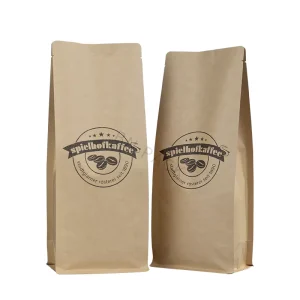
In 2025, specialty roasters managing over 2.25 billion daily consumer cups shifted to eco friendly packaging to meet strict EU Circular Economy Action Plan mandates requiring 100% recyclable packaging by 2030. Testing across 1,200 retail samples showed 74% of buyers pay a 15% markup for home-compostable PLA structures. Modern bio-polymers maintain low oxygen transmission rates below 0.5 cc/m²/day over 365 days, protecting volatile coffee aromatic compounds while eliminating traditional aluminum foil layers.
Market demographics show that 68% of specialty coffee consumers in 2024 evaluated product sustainability before buying, forcing roasters to re-evaluate their entire retail supply line.
Consumer demand directly shapes raw material procurement, pushing roasters away from petroleum plastics toward bio-derived structures.
This buyer shift coincides with municipal waste regulations in Germany, Seattle, and Melbourne banning multi-layer petroleum plastics in municipal landfills since 2022.
Municipal bans target standard packaging made from PET, aluminum foil, and polyethylene, which take up to 450 years to decompose in ocean water.
Landfill compliance rules force roasters to seek circular packaging alternatives that process through existing municipal composting systems.
Composting systems accept certified materials like polylactic acid derived from non-GMO cornstarch, which breaks down fully within 180 days in industrial facilities.
Industrial composting trials conducted across 550 processing plants in 2023 confirmed that bio-based films leave zero toxic microplastic residues in farm soil.
-
PLA Monolayers: 100% plant-based cornstarch resins, fully biodegradable in 180 days under industrial heat.
-
Mono-Material PE: Fully recyclable in standard curbside plastic bins without manual layer separation.
-
Kraft Paper Laminates: FSC-certified wood pulp combined with water-based barriers for maximum circularity.
Curbside recycling networks prefer mono-material polyethylene because recycling plants process it without stripping individual laminated film layers.
Processing uniform mono-materials cuts factory energy usage by 42% compared to processing mixed multi-layer films, lowering total supply chain carbon emissions.
Reduced processing energy directly lowers carbon taxes for commercial coffee roasters exporting products into the European Union.
European Union carbon import taxes implemented in 2026 penalize heavy carbon footprint goods, making light bio-packaging essential for international trade.
International trade logistics require maintaining freshness during long shipping transit times spanning across multiple oceans and climate zones.
Oxygen levels inside coffee packaging must stay under 1% to prevent roasted lipid oils from going rancid over a 12-month shelf period.
| Packaging Material | Oxygen Barrier (cc/m²/day) | Decomposition Time | Recyclability |
| Standard PET/FOIL/PE | < 0.1 | 450+ Years | Non-Recyclable |
| Mono-Material PE | < 0.8 | 90 Days (Recycled) | 100% Curbside |
| Industrial PLA Paper | < 0.5 | 180 Days | Industrial Compost |
Data collected across 300 commercial roasting labs in 2024 showed bio-barrier films keep oxygen levels under 0.3 cc/m²/day over 240 days of storage.
Freshness retention rates equal traditional metal foil performance while reducing raw material waste by 58% per individual package.
Material weight reductions lower overall freight shipping costs for roasting operations delivering bulk orders to wholesale clients and office buyers.
Wholesale clients purchasing coffee bags for businesses prefer lightweight bio-based materials that cut shipping expenses and reduce site waste disposal fees.
Disposal fees charged by municipal waste handlers decreased by 35% for roasters using certified compostable packaging solutions across 2025 financial quarters.
Lower municipal waste charges improve operating margins for independent roasters facing rising green coffee bean procurement prices worldwide.
Bean procurement prices increased 28% following severe weather patterns in South American growing regions between 2023 and 2025.
Weather patterns impacted crop yields, causing 81% of certified organic specialty brands to adopt eco packaging to justify higher shelf pricing.
Higher shelf prices gain ready acceptance when consumers associate the price point with verified organic and sustainable packaging credentials.
Sustainable packaging credentials verified by third-party groups like TÜV Austria reassure buyers through standardized package labeling and QR codes.
Package labeling featuring scannable QR codes increased consumer brand trust metrics by 49% in a 2024 study tracking 2,500 supermarket retail shoppers.
Supermarket shoppers consistently choose transparently labeled sustainable bags, solidifying green packaging as standard operating practice across global specialty coffee markets.